In today’s fast-paced digital landscape, first impressions aren’t just important—they’re everything. Before a potential customer reads a word of your content or learns about your services, they’ve already formed an opinion based on what they see. This is where visual identity becomes a powerful force in shaping customer perception.
From your logo and color palette to typography and imagery, visual identity acts as the face of your brand. Done right, it builds trust, communicates value, and influences decisions. Done poorly, it can drive potential customers away before they even give you a chance.
Let’s explore how visual identity directly impacts customer perception—and why it’s critical for business growth.
What Is Visual Identity?
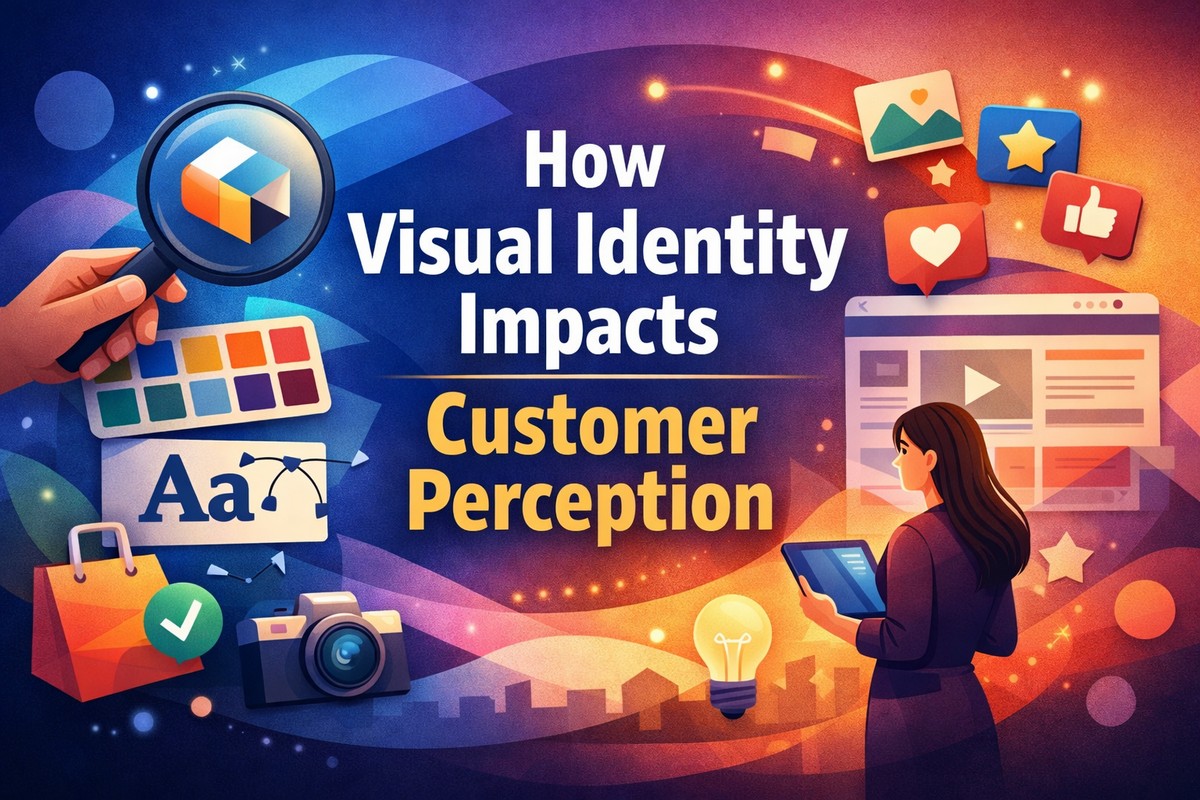
Visual identity is the collection of visual elements that represent your brand. It includes:
- Logo design
- Color palette
- Typography
- Imagery and photography style
- Iconography
- Layout and design systems
Together, these elements create a cohesive look and feel that communicates your brand’s personality, values, and positioning.
First Impressions Happen in Seconds
Studies show that users form an opinion about a brand in milliseconds. Your visual identity is often the first interaction someone has with your business—whether it’s your website, social media, or marketing materials.
A polished, modern design signals professionalism and credibility. On the other hand, outdated or inconsistent visuals can create doubt and reduce trust instantly.
Key takeaway:
Your visual identity either invites users in—or pushes them away.
Visual Identity Builds Trust and Credibility
Trust is the foundation of any successful business relationship. A strong visual identity helps establish that trust by creating consistency across all touchpoints.
When customers see the same colors, fonts, and design style across your website, emails, and social media, it reinforces reliability. It shows that your business is organized, intentional, and professional.
Inconsistent visuals, however, can make your brand feel fragmented or untrustworthy.
It Communicates Your Brand Personality
Visual identity isn’t just about looking good—it’s about telling a story.
- Bold colors and modern typography may communicate innovation and energy
- Minimalist design may signal sophistication and clarity
- Playful visuals can express creativity and approachability
Your design choices send subconscious messages about who you are as a brand. Customers use these cues to decide whether your business aligns with their needs and values.
Influences Buying Decisions
Customers don’t just buy products or services—they buy perception.
A strong visual identity can:
- Increase perceived value
- Justify premium pricing
- Create emotional connections
- Differentiate you from competitors
For example, two companies may offer similar services, but the one with a refined and cohesive visual identity is often perceived as more trustworthy and higher quality.
Differentiation in a Crowded Market
No matter your industry, competition is fierce. Visual identity helps you stand out.
A unique and memorable design system ensures your brand is recognizable and not easily confused with others. It gives customers a reason to remember you—and choose you.
Without differentiation, your business risks blending into the background.
Consistency Drives Brand Recognition
Repetition is key to recognition. The more consistently your visual identity appears across platforms, the more familiar your brand becomes.
Think about the brands you instantly recognize—they all maintain strict visual consistency.
Consistency helps:
- Strengthen brand recall
- Build familiarity over time
- Reinforce your brand message
Emotional Connection Through Design
Design isn’t just functional—it’s emotional.
Colors, imagery, and layout all influence how people feel when they interact with your brand. And emotions play a significant role in decision-making.
A strong visual identity can evoke:
- Trust
- Excitement
- Comfort
- Confidence
When customers feel something, they’re more likely to engage—and convert.
The Cost of Poor Visual Identity
Neglecting your visual identity can have serious consequences:
- Loss of credibility
- Lower conversion rates
- Weak brand recognition
- Missed opportunities
Even if your product or service is excellent, poor design can create a barrier that prevents customers from seeing your true value.
How to Strengthen Your Visual Identity
If you want to improve customer perception, focus on:
- Consistency: Use the same visual elements across all platforms
- Clarity: Ensure your design reflects your brand message
- Quality: Invest in professional design
- Simplicity: Avoid clutter and overcomplication
- Authenticity: Stay true to your brand’s personality
Final Thoughts
Visual identity is more than just aesthetics—it’s a strategic tool that shapes how customers perceive your brand. It influences trust, communicates value, and plays a direct role in buying decisions.
In a world where attention spans are short and competition is high, your visual identity can be the difference between being overlooked and being unforgettable.
If your goal is to grow your business, investing in a strong, cohesive visual identity isn’t optional—it’s essential.